A common story (composite, for illustration)
Think of a woman we’ll call Ngozi. At thirty-eight, sitting in her aunty’s small flat in south London, she finally asked the question that had burned in her heart for years.
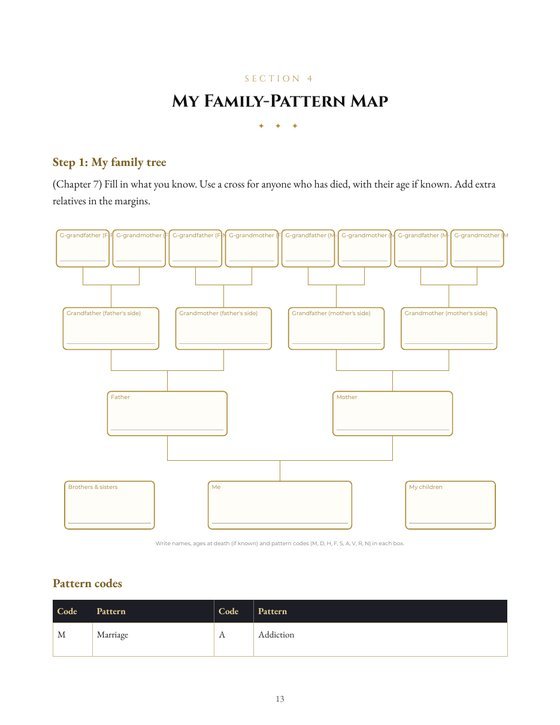
Her aunty went quiet, then began to count on her fingers. A grandmother abandoned with five children. A mother who separated when Ngozi was nine. Two divorced aunties. A sister in Abuja who had just left her matrimonial home. And Ngozi herself, engaged twice, both times collapsing weeks before the introduction ceremony.
Ngozi went home angry, frightened and strangely relieved: relieved because she finally knew she was not imagining things. What she needed next was not fear, and not someone to blame, but a clear, scriptural way to deal with it.